I mention this because we have an OSCE coming up. I could probably look up what that stands for, but to be completely honest, I've only ever seen the long form of this acronym maybe once (as a side note, medicine is a storm of acronyms...arguably one of the most overwhelming aspects of learning 'the language'). In any case, the acronym aside, an OSCE is basically a series of stations in which you are given short prompts and then told to respond to them appropriately. At my level, this generally refers to taking a history, doing a physical examination, or a mix of both.
Personally I think the actual content/knowledge required is not all too difficult (knock on wood). However, each station is only a couple of minutes long (~10 min) so time management can be quite the struggle, especially if the condition is complicated and both the history and physical extensive (infective endocarditis comes to mind).
It makes absolute sense to test in this way, as this is probably the best way to see how we will perform in an actual patient encounter. However, that doesn't help to decrease the performance anxiety that exists. In fact, OSCEs are such a well-known test that there are tons of books out there filled with checklists of what examiners could look for in a particular scenario. For example,
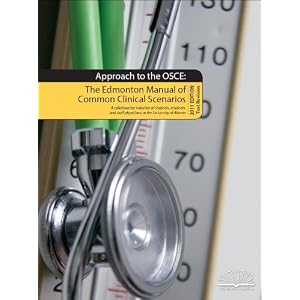
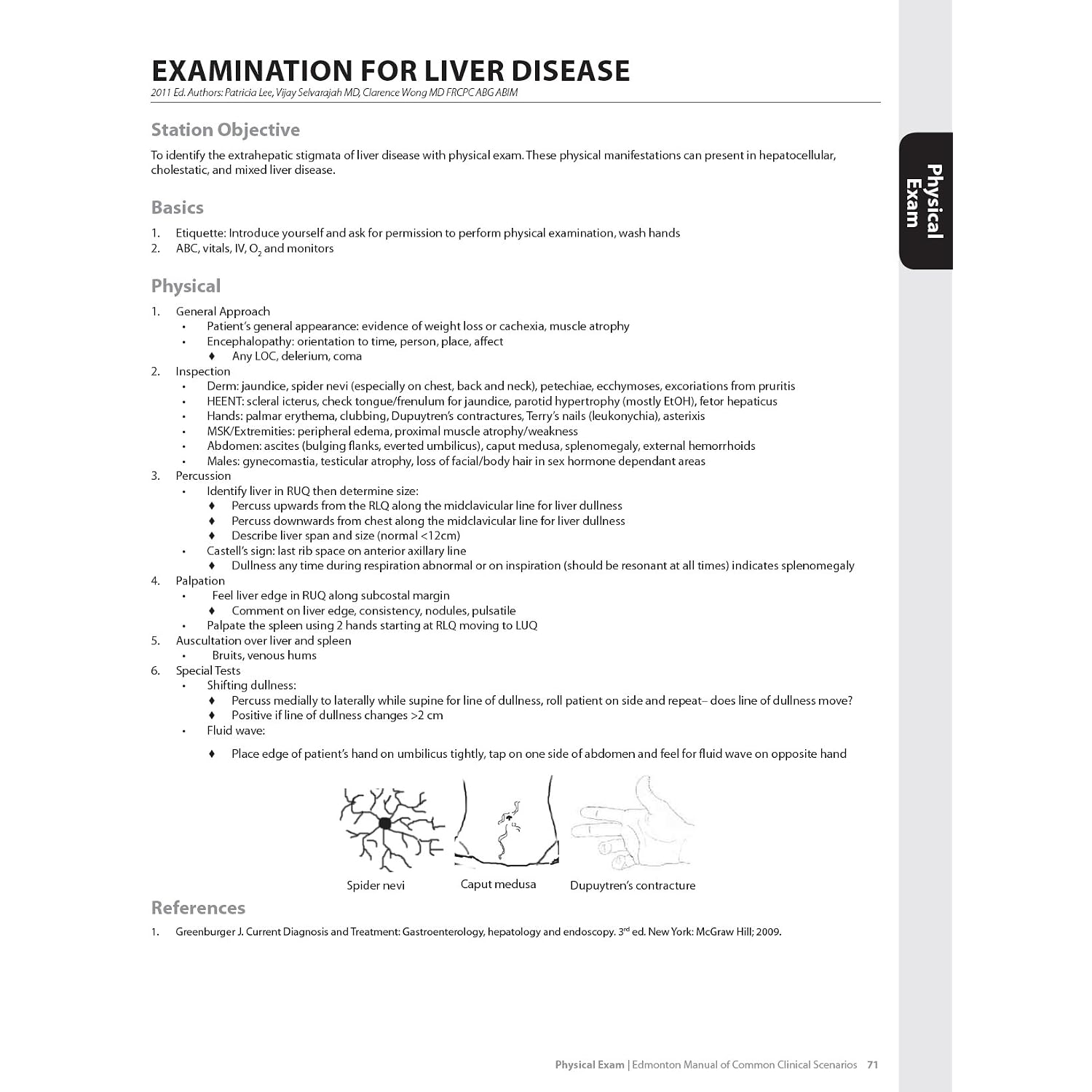
When you crack open one of these books, it's kind of overwhelming to see the possible scenarios and their associated lists. Borrowing from Amazon, a sample page:
Anyways, my first OSCE is just around the corner; here's to hoping that it will go well!


No comments:
Post a Comment